Whether you want a sleek modern look or a rustic traditional feel, there is a metal fence style to suit your tastes. However, you should consider the primary purpose of your fence and the amount of privacy required. Choosing the right gate enhances your fencing style, adds security, and helps keep your property looking its best. Contact Custom Metal Gates for more details.
Steel
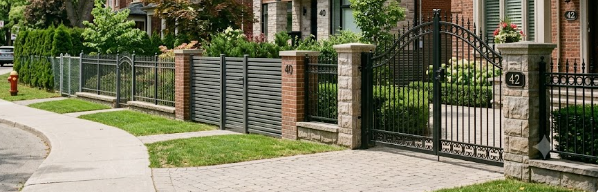
A gate is more than an entry point into a residential property; it sets the tone for the rest of the home’s architecture and offers a variety of benefits that boost security and improve functionality. The right gate can elevate a property from ordinary to elegant, making it a smart investment that pays dividends over time.
Metal gates are exceptionally durable, allowing them to resist damage and provide years of reliable performance. Their strength and resilience are especially important for homes that require high levels of security. These gates can be fitted with advanced locking mechanisms, transforming them into powerful deterrents against intruders. A metal gate also pairs well with security fences, creating a comprehensive security solution that keeps children and pets safe from unwanted visitors.
Unlike wood, which requires regular treatment and maintenance to prevent rot and insect infestation, metal gates are easy to maintain. Most can be regularly washed with mild soap and water to eliminate dirt buildup and keep them looking polished. Many are available with lattice patterns or other decorative details that make them a visual standout for any residential landscape.
The versatility of metal allows it to be shaped into a variety of designs that can complement a variety of architectural styles. For example, aluminum fences offer an appealing modern look while steel and wrought iron options deliver a traditional appeal. These features make metal fences and gates a popular choice for homeowners who want to enhance the curb appeal of their home.
Another advantage of metal is its resistance to corrosion, which makes it a favored material for homes in coastal areas or regions that experience frequent rainfall. Its durability also contributes to a long lifespan for these structures, reducing the cost of ownership over time.
For environmentally conscious homeowners, a metal gate is a great option as it’s typically made from recycled materials. When a homeowner no longer needs the gate, it can be easily recycled again, instead of ending up in landfills. Ultimately, a metal gate is a sustainable choice for any home, regardless of its size or design.
Wrought Iron
Wrought iron gates and fences offer a classical, ornate appearance that can add beauty and elegance to any property. They’re popular for historic renovations or properties with a classic aesthetic, and they can easily be customized to fit the style of your home. Wrought iron gates are also durable and rust-resistant, so they can stand up to harsh weather conditions and constant use without requiring a lot of maintenance.
While wrought iron is a good choice for those who want a more traditional look, other types of metal are better suited to modern properties. Steel fencing is a versatile option that offers strength and style, while aluminum is lightweight, rust-resistant, and low-maintenance. Steel and aluminum can be used to create a wide range of designs, and they’re often powder-coated in colors that match your home’s style.
These metal fences can be used to provide security and privacy for any type of residential or commercial property, but they’re especially popular for schools, hospitals, apartment complexes, and other facilities that need extra safeguards against crime and intruders. They’re also easy to install, so you can have a secure perimeter in just a few days. Plus, they’re rust-resistant and durable, so you don’t have to worry about them fading or warping in the sun.
When it comes to choosing the right metal fence for your property, you’ll need to weigh several factors, including how much privacy you want, what aesthetic you’re going for, and the cost. Metal options typically require less maintenance than wood, and they’re resistant to harsh weather conditions like heavy rain and snow. They can also increase the value of your property, especially if they’re customized with unique features that make them stand out from other nearby properties.
Whether you’re looking for a more modern or traditional style, Artistic Alloys & Design has the metal alloys and custom craftsmanship to meet your needs. Our team can help you find the best solution for your property, so contact us today to get started.
Aluminum
A well-crafted metal gate and fence is more than just a statement piece that enhances a home’s exterior; it’s a security investment that protects homes from intruders, defines property boundaries, and keeps children and pets safe. While there are many fencing options that fit these needs, metal gates are often preferred for their combination of strength, durability, and aesthetics.
Unlike steel or wrought iron, aluminum is naturally resistant to corrosion, making it ideal for areas with a high humidity. Aluminum gates are also available in a variety of colors, finishes, and decorative elements to allow homeowners to personalize their aesthetics. This level of customization ensures that each aluminum fence gate is unique and perfectly aligned with the property’s architectural style.
Aluminum gates are also lightweight, reducing stress on gate hinges and motors to prolong their lifespan. They also require minimal maintenance, with a simple rinse from time to time with soap and water to remove dirt and debris. This carefree quality is especially appealing to busy homeowners who want to spend more time enjoying their property and less on its upkeep.
Like other types of metal fences and gates, aluminum is highly durable, ensuring that it stands up to harsh weather conditions and withstands years of wear and tear. This durability allows homeowners to enjoy their gates without the worry of expensive repairs or replacements in the future.
While a metal fence and gate might have a higher initial cost than other options, their long lifespan means they offer superior value in the long run. This value is further enhanced by the fact that a well-designed gate boosts home security and aesthetic appeal, increasing its value on the real estate market.
A metal gate is an investment that protects properties from intruders, defines property boundaries, keeps children and pets safe, and enhances a home’s curb appeal. With a wide range of styles and materials, each offering their own benefits, finding the right one for your property can be a challenge. To help you find the perfect match, this guide highlights the key advantages of different types of metal gates and fences for residential and commercial spaces.
Modern
Whether your goal is to enhance your home’s curb appeal or create a secure barrier to protect children and pets, a strong metal gate is an attractive and durable solution. However, choosing the right one may feel like an overwhelming task due to the variety of styles and materials available. Fortunately, you can turn to a specialist for high-quality fencing and gates that fit your property’s style and requirements.
Steel is a common choice for fences and gates, as it provides unsurpassed strength and durability. It is also a low-maintenance option that resists environmental damage and corrosion. In addition, it can be shaped into various designs to suit different architectural styles and personal preferences. This makes it ideal for both residential and commercial properties.
Wrought iron is another popular choice for fences and gates, as it offers a classically beautiful look. Compared to other metals, it is a little more expensive but is extremely long-lasting and resistant to damage and rust. It can be decorated with intricate patterns and ornaments to add character and function, making it a good choice for historic or vintage homes and properties.
In contrast, aluminum is a more modern option that features a sleek design and minimalist aesthetic. It’s a lightweight material that is naturally rust-resistant and requires less maintenance than iron or wood. It can be powder coated to withstand harsh weather conditions and remain attractive for years.
Modern metal gates are available in a wide range of colors, which means you can match them with your existing exterior color scheme. They can also be equipped with automation, which allows you to open and close them without having to leave your vehicle. This is especially useful for people with mobility issues or those who prefer the convenience of remote-controlled access.
Choosing the right metal fence and gate can make your property more appealing, safer, and easier to maintain. It’s important to understand the various options available, as each type has its own strengths and advantages. For example, wrought iron and wood offer a classic look but require more maintenance than other types of fencing.