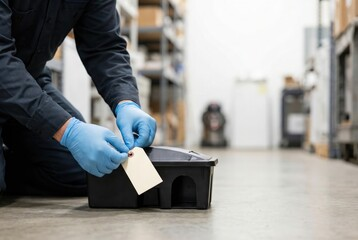
A single pest sighting in a commercial space can quickly turn into a major problem. Customers may lose trust, employees may feel uncomfortable, and property damage can escalate before the issue is fully understood. In business environments, cleanliness and safety are essential, which is why commercial pest control plays such a critical role.
From protecting reputations to maintaining healthy conditions, effective pest management helps businesses operate smoothly and confidently every day. Contact Ben’s Pest Control for more details.
Understanding Commercial Pest Control
Commercial pest control refers to the management and prevention of pests in business properties and commercial facilities. Unlike residential pest control, commercial services are designed to handle larger spaces, higher traffic environments, and stricter sanitation requirements.
Businesses face unique challenges when it comes to pest activity. Restaurants, offices, warehouses, retail stores, and industrial buildings all provide different conditions that may attract pests. Commercial pest control focuses on identifying risks, eliminating infestations, and preventing future problems.
The goal is not only to remove pests but also to create a long-term strategy that protects the property and supports a safe working environment.
Why Businesses Need Commercial Pest Control
Pests can negatively affect nearly every aspect of a business. One of the biggest concerns is reputation. Customers expect clean and well-maintained environments, and even one visible pest can damage trust.
Health and safety are also major factors. Pests can contaminate surfaces, food, and products, increasing the risk of bacteria and illness. In workplaces with strict hygiene standards, this can create serious operational issues.
Commercial pest control helps businesses maintain a professional environment while reducing the likelihood of disruptions. It also protects inventory, equipment, and building materials from damage caused by rodents, insects, and other pests.
Another important benefit is compliance. Many industries are expected to meet health and sanitation standards, and proper pest management supports those requirements.
Common Pests Found in Commercial Properties
Different commercial environments attract different types of pests. Rodents are one of the most common problems because they can enter buildings through small openings and spread quickly throughout storage areas and walls.
Cockroaches are another frequent issue, especially in areas where food or moisture is present. Their ability to hide in small spaces makes them difficult to detect until the infestation grows.
Ants often invade kitchens, break rooms, and storage areas in search of food. Termites can also become a major concern in buildings with wooden structures, causing hidden damage over time.
Flies and other insects may gather around waste disposal areas or areas with high humidity. Understanding these common pests helps businesses recognize risks early and respond effectively.
The Commercial Pest Control Process
Commercial pest control typically begins with a detailed inspection of the property. This step helps identify the type of pests present, the severity of the infestation, and the conditions contributing to the problem.
After the inspection, a treatment plan is developed. The approach depends on the type of pest and the layout of the property. Treatments are often designed to minimize disruption while effectively targeting the infestation.
Monitoring is another important part of the process. Regular inspections and follow-up treatments help ensure that pests do not return. Preventive measures such as sealing entry points and improving sanitation are also implemented.
The process focuses on both immediate removal and long-term prevention, ensuring that the environment remains protected over time.
Benefits of Professional Commercial Pest Control
Professional commercial pest control offers several advantages over temporary or reactive solutions. One of the biggest benefits is expertise. Professionals understand pest behavior and know how to identify hidden infestations before they become severe.
Another advantage is efficiency. Commercial properties often require fast and discreet treatment to avoid disrupting daily operations. Professional services are designed to handle these challenges effectively.
Consistency is also important. Regular pest management reduces the chances of recurring infestations and helps maintain a stable environment. This proactive approach is often more cost-effective than dealing with repeated problems.
Professional pest control also supports employee comfort and customer confidence. A clean and pest-free environment contributes to a more positive experience for everyone who enters the property.
Industries That Depend on Commercial Pest Control
Many industries rely heavily on commercial pest control to maintain operations. Food-related businesses are among the most vulnerable because pests are attracted to food storage and preparation areas.
Healthcare facilities also require strict pest management to maintain sanitary conditions. Offices and retail spaces benefit from pest control because it helps create a comfortable and professional atmosphere.
Warehouses and industrial buildings often face challenges related to storage and large open spaces. Pests can damage products and spread quickly if preventive measures are not in place.
Hospitality environments also depend on effective pest management to protect guest experiences and maintain cleanliness standards.
Preventing Pest Problems in Commercial Spaces
Prevention is one of the most important aspects of commercial pest control. Maintaining cleanliness is a key step in reducing attractants. Proper waste disposal and regular cleaning help eliminate food and moisture sources.
Sealing entry points also plays a major role. Small gaps around doors, windows, and utility lines can provide access for pests. Regular maintenance helps reduce these vulnerabilities.
Employee awareness is another important factor. Encouraging staff to report signs of pest activity early allows businesses to respond before infestations grow.
Routine inspections and ongoing monitoring provide additional protection. A proactive strategy is often the most effective way to prevent long-term problems.
The Cost of Ignoring Commercial Pest Control
Ignoring pest problems can lead to serious consequences for businesses. Property damage is one of the most immediate concerns. Rodents and insects can destroy materials, wiring, and inventory.
Financial losses can also occur due to damaged products or operational disruptions. In some cases, infestations may even result in temporary closures or failed inspections.
Reputation damage can be even more difficult to recover from. Customers who experience pest issues may lose trust and choose not to return. Negative impressions can spread quickly and affect long-term success.
Addressing pest issues early helps avoid these costly outcomes and protects the overall stability of the business.
Long-Term Value of Commercial Pest Management
Commercial pest control is not just about solving immediate problems. It is an investment in the long-term protection of the property and the business itself.
Consistent pest management supports healthier environments, reduces repair costs, and improves overall operations. Businesses that prioritize prevention are often better equipped to maintain professional standards and avoid unexpected disruptions.
Long-term pest management also creates peace of mind. Knowing that the property is regularly monitored and protected allows business owners and employees to focus on daily operations without unnecessary concerns.
Conclusion
Commercial pest control plays a critical role in maintaining clean, safe, and professional business environments. From preventing property damage to protecting customer trust, effective pest management supports every aspect of a successful operation.
Understanding the importance of prevention, regular monitoring, and professional treatment helps businesses stay ahead of potential infestations. Taking proactive measures not only reduces risks but also creates a healthier and more comfortable environment for employees and customers alike.
A pest free commercial space is more than just a convenience. It reflects professionalism, responsibility, and a commitment to maintaining high standards every day.