Foundation problems can be one of the most concerning issues a homeowner encounters. Seeing cracks appear on walls, noticing uneven floors, or struggling to close doors properly often leads to an important question: how much will foundation repair cost? While many people worry about expensive repairs, the truth is that no two foundation projects are exactly alike. Costs vary depending on the severity of the problem, the type of foundation, and the repair method required. Understanding what influences Foundation Repair Nashville costs helps homeowners make informed decisions, plan their budget more effectively, and avoid delaying repairs that could become significantly more expensive over time.
What Is the Average Cost of Foundation Repair?
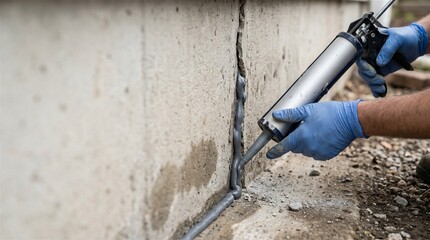
Foundation repair costs vary widely because every home presents different structural conditions and repair requirements. Minor repairs that address small cracks or early signs of movement generally cost much less than projects involving extensive settlement or structural stabilization. Homes with widespread foundation movement often require more labor, specialized equipment, and additional materials, all of which increase the overall investment. Because every property is unique, a professional inspection is usually the most accurate way to determine the expected cost. Understanding the condition of the foundation is the first step toward creating an appropriate repair plan.
The overall value of foundation repair should be considered alongside the long-term benefits it provides. Stabilizing the home’s structure helps prevent additional damage that could affect walls, flooring, plumbing systems, windows, and other building components. While repair costs may initially seem significant, delaying necessary work often results in more complicated structural issues that require larger investments later. Addressing problems promptly frequently reduces the total cost of ownership over the life of the home. Early repairs often provide greater financial value than waiting until damage becomes more extensive.
What Factors Affect Foundation Repair Costs?
One of the biggest factors influencing foundation repair cost is the severity of the structural problem. Small cracks caused by minor settlement typically require less work than foundations experiencing substantial movement across multiple areas of the home. Larger repairs may involve stabilizing significant portions of the structure before cosmetic damage can even be addressed. The amount of movement beneath the foundation directly affects both the complexity and duration of the repair process. More extensive repairs generally require additional labor and specialized solutions.
The type of foundation also plays an important role in determining repair costs. Slab foundations, crawl spaces, and basement foundations each present different construction methods and access requirements. Some repairs may be completed relatively easily, while others require more extensive excavation or structural work to reach the affected areas. Accessibility around the home, landscaping, drainage conditions, and nearby structures may also influence the overall project. Every property presents unique conditions that contribute to the final repair estimate.
Does Delaying Foundation Repair Increase Costs?
Many homeowners postpone foundation repairs because they hope the problem will not become worse or because they are concerned about the immediate expense. Unfortunately, foundation movement rarely stops on its own. As the supporting soil continues shifting or settling, additional stress is placed on the home’s structure, allowing existing damage to spread gradually. Cracks may widen, floors may become more uneven, and doors and windows may become increasingly difficult to operate. Delaying repairs often allows relatively manageable problems to develop into much larger structural concerns.
Additional repair costs can also arise when foundation movement begins affecting other parts of the home. Plumbing lines, drywall, flooring materials, cabinetry, and roofing systems may all experience stress as the structure shifts over time. Cosmetic repairs completed before stabilizing the foundation often need to be repeated because the underlying movement continues. Correcting the structural issue first helps protect future renovation investments while reducing the likelihood of recurring damage. Acting early frequently results in lower overall repair costs.
Why Is a Professional Foundation Inspection Important?
A professional inspection helps identify both the visible signs of foundation damage and the underlying causes contributing to the problem. Although homeowners may notice cracks or uneven floors, these symptoms alone do not always reveal the full extent of the structural issue. A detailed evaluation considers soil conditions, drainage patterns, structural movement, and other factors that influence foundation performance. This information allows repair recommendations to focus on long-term stability rather than temporary cosmetic improvements. Accurate diagnosis helps prevent unnecessary work while ensuring important structural concerns are properly addressed.
A professional assessment also provides homeowners with a clearer understanding of potential repair costs before construction begins. Because every foundation behaves differently, estimates based on general averages rarely reflect the true condition of a specific property. An inspection allows contractors to develop repair plans tailored to the home’s actual needs. This personalized approach supports more accurate budgeting while helping homeowners understand exactly what work is required. Reliable information leads to better financial planning and more confident decision making.
How Can Homeowners Help Reduce Future Foundation Repair Costs?
Preventive maintenance plays an important role in reducing the likelihood of major foundation repairs. Proper drainage helps direct water away from the home, minimizing excessive soil movement around the foundation. Gutters, downspouts, and grading should work together to prevent water from collecting near the structure. Maintaining consistent moisture levels around the home’s foundation reduces stress caused by expanding and contracting soils. Small maintenance efforts often contribute to long-term structural stability.
Routine inspections also help homeowners identify potential concerns before they require major repairs. Watching for new cracks, uneven flooring, sticking doors, or changes in exterior grading allows issues to be addressed while they remain relatively minor. Plumbing leaks should also be repaired promptly because excess moisture beneath the home can affect supporting soils over time. Paying attention to these warning signs allows homeowners to respond early rather than waiting for more significant structural damage to develop. Preventive care often reduces future repair expenses.
Is Foundation Repair Worth the Investment?
Foundation repair protects one of the most important structural components of any home. A stable foundation supports walls, floors, ceilings, windows, roofing systems, and every other major building element. Correcting structural movement helps preserve the integrity of the entire property while reducing the likelihood of additional damage developing in the future. Homeowners often gain greater peace of mind knowing their home rests on a properly stabilized foundation. Protecting the structure today supports its long-term performance for many years.
Foundation repair also helps preserve property value. Prospective buyers often view structural stability as a critical factor when evaluating a home because foundation issues can affect many other aspects of the property. Addressing repairs promptly demonstrates responsible maintenance while increasing confidence in the home’s overall condition. Investing in structural stability frequently supports future resale value while protecting previous renovation investments. A strong foundation contributes to both lasting safety and long-term financial security.
How Can Homeowners Budget for Foundation Repair?
Planning for foundation repair begins with obtaining a professional evaluation before making financial decisions. Understanding the extent of the damage allows homeowners to prioritize necessary work while avoiding unexpected expenses during construction. Gathering detailed estimates also provides a realistic picture of the investment required to restore structural stability. Knowing what the project involves helps homeowners prepare financially while reducing uncertainty. Careful planning supports better budgeting and more informed decision making.
Homeowners should also remember that foundation repair is an investment in the long-term health of the property rather than simply another home expense. Correcting structural issues early often prevents much larger repair bills involving multiple building systems later. Viewing foundation repair as preventive maintenance rather than emergency spending encourages timely action when warning signs first appear. Protecting the home’s structural integrity today often results in significant savings over the life of the property. Long-term value begins with a stable foundation.
Final Thoughts
Foundation repair costs vary depending on the home’s condition, the extent of structural movement, the type of foundation, and the repair methods required. Although no universal price applies to every property, understanding the factors that influence repair costs helps homeowners make informed decisions and avoid unnecessary delays. Addressing foundation problems early often reduces future expenses while protecting the home’s structural stability, appearance, and overall value. Through regular maintenance, timely inspections, and professional evaluations, homeowners can better manage both repair costs and long-term property health. Investing in foundation repair today helps create a stronger, safer, and more secure home for the future.