Water damage is one of the most complex challenges property owners can face. While visible flooding or standing water is often the most immediate concern, the true threat frequently lies beneath the surface. Moisture that becomes trapped inside walls, flooring, insulation, and structural materials can remain undetected long after the initial incident. If not properly addressed, this hidden moisture can lead to mold growth, structural deterioration, and long-term indoor air quality issues. Effective water damage restoration is built on a scientific understanding of moisture behavior, building materials, and environmental conditions. By applying specialized techniques and advanced equipment, Water Damage Restoration Utah professionals can locate hidden moisture, remove it efficiently, and prevent the conditions that allow mold to develop.
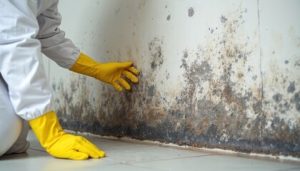
When water enters a structure—whether from leaks, flooding, plumbing failures, or severe weather—it spreads quickly through porous building materials. Materials such as drywall, wood, carpet, and insulation readily absorb moisture. Even materials that appear solid, like concrete and subflooring, can hold significant amounts of water within microscopic pores. Once moisture becomes embedded within these materials, it may not be visible from the surface, creating hidden pockets of dampness that remain long after the obvious water has been removed.
The science of water damage restoration focuses on understanding how moisture moves through building materials and indoor environments. Moisture follows predictable physical principles related to evaporation, absorption, and air movement. By manipulating these environmental factors, restoration professionals accelerate the drying process and prevent moisture from lingering inside the structure.
One of the first steps in effective restoration is identifying the presence of hidden moisture. Visual inspections alone are rarely sufficient, as water can migrate behind walls, beneath flooring, and into structural cavities. Restoration specialists use specialized tools to detect moisture levels in areas that cannot be easily seen.
Several common technologies are used to locate hidden moisture within a building:
- Moisture Meters – These devices measure the moisture content inside materials such as wood, drywall, and flooring.
- Infrared Thermal Imaging – Thermal cameras identify temperature differences that may indicate damp areas behind surfaces.
- Hygrometers and Humidity Sensors – These tools measure humidity levels in the air to determine whether excess moisture remains within the structure.
By using these diagnostic tools, restoration professionals can map the extent of moisture intrusion and identify areas that require targeted drying. This precise approach prevents untreated moisture pockets from remaining hidden within the structure.
Once the affected areas have been identified, the next step in the restoration process involves water extraction. Removing standing water as quickly as possible is critical for limiting the amount of moisture that can be absorbed by building materials. High-powered extraction equipment is used to remove large volumes of water from floors, carpets, and other surfaces.
The speed of water removal plays a significant role in determining how much damage occurs. When water remains inside a building for extended periods, it continues to spread deeper into materials and increases the likelihood of mold growth. Rapid extraction reduces the amount of water that can penetrate porous surfaces and helps contain the overall damage.
However, removing visible water is only the beginning of the restoration process. Even after extraction, significant moisture may remain within structural materials. This hidden moisture must be carefully managed through a controlled drying process designed to restore materials to safe moisture levels.
Drying is not simply a matter of allowing the building to air out. Effective drying requires a strategic combination of airflow, temperature control, and humidity management. These environmental factors work together to accelerate evaporation and remove moisture from materials.
The scientific drying process typically relies on three primary principles:
- Air Movement – High-velocity air movers circulate air across wet surfaces, increasing the rate of evaporation.
- Dehumidification – Dehumidifiers remove moisture from the air, preventing evaporated water from settling back into materials.
- Temperature Control – Warmer air can hold more moisture, allowing evaporation to occur more efficiently.
By carefully balancing these elements, restoration professionals create an environment where moisture is continuously drawn out of wet materials and captured by dehumidification equipment. This controlled drying process helps ensure that moisture is removed thoroughly and efficiently.
One of the primary reasons hidden moisture must be addressed quickly is the risk of mold growth. Mold is a naturally occurring organism that thrives in damp environments. When building materials remain wet for extended periods, mold spores can begin to grow and spread. Mold colonies often develop in concealed areas such as wall cavities, beneath flooring, or inside insulation, making them difficult to detect until the problem becomes severe.
Mold growth can begin surprisingly quickly when moisture is present. Under favorable conditions, mold spores can start colonizing damp surfaces within a relatively short timeframe. Once established, mold spreads by releasing microscopic spores into the air, which can settle in other areas and create additional growth.
Preventing mold development requires eliminating the conditions that allow it to thrive. Mold needs three primary elements to grow: moisture, organic material, and suitable temperatures. Since most building materials provide organic surfaces for mold growth, controlling moisture becomes the most effective prevention strategy.
Water damage restoration professionals take several steps to reduce the risk of mold development during the drying process:
- Rapid Moisture Removal – Extracting water and beginning drying procedures immediately helps limit mold growth opportunities.
- Monitoring Moisture Levels – Continuous measurement ensures that materials are drying properly and no hidden damp areas remain.
- Sanitation and Cleaning – Disinfecting affected surfaces helps eliminate microbial contaminants that may be present.
In some situations, building materials that have absorbed excessive moisture may need to be removed entirely. For example, severely saturated drywall or insulation may not dry effectively once water has penetrated deeply into the material. Removing and replacing these components prevents hidden moisture from remaining trapped within the structure.
Another important aspect of restoration involves controlling indoor humidity levels. Even after materials appear dry, excess humidity in the air can allow moisture to re-enter porous materials. Professional drying equipment continues operating until both material moisture levels and ambient humidity return to safe ranges.
Monitoring is an essential part of the restoration process. Restoration professionals regularly measure moisture levels throughout the drying process to ensure that progress is occurring as expected. By comparing readings from affected materials to standard moisture levels, technicians can determine when the structure has returned to normal conditions.
This data-driven approach ensures that drying is completed thoroughly rather than simply relying on visual observations. Without proper monitoring, hidden moisture may remain inside the structure and create future problems long after restoration appears complete.
Hidden moisture can also affect the structural integrity of a building. Wood framing, flooring, and support structures can weaken when exposed to prolonged moisture. Over time, this weakening can lead to warping, swelling, and structural instability. By removing moisture quickly and completely, restoration efforts help preserve the strength and durability of these materials.
In addition to structural concerns, hidden moisture can contribute to poor indoor air quality. Damp environments often produce musty odors and may harbor microorganisms that circulate through the air. Addressing hidden moisture helps restore a healthier indoor environment by eliminating the conditions that allow these contaminants to develop.
Another important benefit of effective water damage restoration is the prevention of long-term repair costs. When moisture remains inside a structure, damage can continue spreading even after the initial event has passed. Floors may begin to warp, drywall may deteriorate, and mold may spread into previously unaffected areas. Addressing hidden moisture early prevents these secondary problems from developing.
Property owners can also take preventative steps to reduce the risk of moisture-related issues in the future. While not every water-related incident can be avoided, regular inspections and maintenance can help detect potential problems before they escalate.
Some useful preventative practices include:
- Inspecting Plumbing and Appliances – Regular checks can identify leaks before they cause significant water damage.
- Maintaining Proper Ventilation – Adequate airflow helps reduce indoor humidity and prevent condensation buildup.
- Monitoring High-Risk Areas – Basements, crawl spaces, and areas near plumbing fixtures should be checked periodically for signs of moisture.
These simple steps can help reduce the likelihood of hidden moisture problems developing within a building.
In conclusion, effective water damage restoration is rooted in a scientific understanding of moisture behavior and building materials. Hidden moisture can remain trapped within structures long after visible water has been removed, creating conditions that promote mold growth and structural damage. By using advanced detection tools, controlled drying techniques, and careful monitoring, restoration professionals can locate and eliminate moisture before it leads to more serious problems.
Preventing mold growth and protecting structural materials requires a systematic approach that addresses both visible and hidden moisture. Through rapid extraction, strategic drying, and thorough inspection, water damage restoration helps return buildings to safe and stable conditions. For property owners, understanding the science behind this process highlights the importance of addressing water damage promptly and ensuring that moisture is fully removed before it can cause long-term harm.